
Oviedo Neighbors by Source
The immediate block can be described with several official layers. The Seminole County Public Appraisal Map shows parcel shapes and surrounding lots. The Property Appraiser card identifies each parcel owner, mailing address, legal description, sale facts, and exemptions. Voter data can add registered people, but it omits nonvoters and protected entries. Civic groups provide community contacts rather than resident rosters.
| Source | What It Shows About a Block | Access |
|---|---|---|
| SCPA Appraisal Map | Parcel edges, nearby lots, buildings, sales context | Free public viewer |
| SCPA property roll | Owner, mailing and situs address, exemption | Free search and downloads |
| Florida voter extract | Nonexempt registered voters arranged by address | Written disk request |
| City civic directory | Public contacts and meeting information | Public listings |
| Historical sources | Past listed householders and census households | Library or archive |
Ownership and residence are different. Matching mailing and situs addresses, together with a homestead exemption, can support owner occupancy in a given year. They cannot identify a spouse, child, roommate, guest, or renter. Every Oviedo neighbor lookup needs that limit stated up front.
Frame an Oviedo Block
Decide what “neighbor” means before opening a map. A tight block study may include lots that touch the target parcel, face it across the street, or share the nearest intersection. A canal, major road, wall, gated entrance, or large undeveloped tract may divide two physically close parcels. This practical boundary is more useful than an arbitrary radius.
Postal Oviedo reaches beyond the incorporated city. The city covers a smaller municipal area than the mailing footprint, with unincorporated Seminole County and the UCF or east Orange fringe nearby. Use GIS city-limit data to decide whether Oviedo or Seminole County holds permit and code records. USPS answers where mail goes, while parcel GIS answers where land sits.
Note: Keep a dated list of included parcel IDs so later map changes do not blur which lots formed the original block.
Mapping Oviedo Neighbor Parcels
The appraisal viewer's “Quick: Parcel Search (CurrentView)” turns the visible map extent into a useful local filter. This is the strongest insider tool for nearby lots. Zoom close enough to show only the target and its immediate surroundings, run CurrentView, and open each result in a consistent order. The same interface also provides building and sales queries for the current view.
- Search the starting address, parcel, owner, or subdivision in the Public Appraisal Map.
- Zoom until touching and facing parcels fill the current view.
- Run the current-view parcel query and save each parcel ID.
- Open appraisal details for owner, situs, mailing address, and exemption clues.
- Mark barriers and confirm the city boundary before seeking permits.
This process flow is simple: address to map, map to adjacent parcel, parcel to owner card, then owner card to carefully qualified residence evidence. For a complete named-road chain, use the Oviedo street directory instead of widening this block study without limit.
What Oviedo Owner Cards Prove
A parcel card proves that the tax roll associates an owner with land. The situs address locates the parcel. The mailing address tells where tax correspondence goes. A legal description identifies the lot through subdivision, lot, block, or other land terms. These facts can explain a block even when they do not identify occupants.
- Parcel
- A mapped unit of land with its own identifying number.
- Situs address
- The physical location assigned to the property.
- Mailing address
- The destination used for owner tax correspondence.
- Homestead
- A year-specific property exemption that can support, but not conclusively prove, owner occupancy.
Trusts, companies, and out-of-area mailing addresses require care. Follow the official owner label exactly. Do not convert a trust name into a guessed person, or assume a company officer lives on the parcel. SCPA daily files and annual certified rolls can preserve a research date and show ownership change over time.
Oviedo Voters Around a Block
Florida treats most voter registration data and voting history as public. Public fields can include name, residence address, date of birth, party, phone, email, status, precinct, districts, and elections in which a voter participated. Ballot choices are never public. Social Security numbers, driver-license or state-ID numbers, application source, and signature copies are withheld under Florida Statutes section 97.0585.
Seminole's individual lookup requires first name, last name, and date of birth. It is meant to verify a known voter, not browse an unknown block. The statewide extract is the suitable large-data channel. Florida creates monthly disks, requires a request before scheduled availability, and sends no extract by email or public download. Protected, inactive, stale, and unregistered residents still make the data incomplete.
A responsible neighbor list labels voter evidence separately from ownership. One address can have several registered voters, no voter result, or a protected result. None of those outcomes proves a full household.
Oviedo Civic Directory Contacts
Community organizations add a public contact layer without claiming to identify every household. The City of Oviedo visibly lists groups such as Oviedo Citizens in Action, the Garden Club, Oviedo Historical Society, and the Optimist Club. Public contacts and meeting notices are useful for learning about local activity. Member rolls should not be presumed public.
Oviedo Historical Society
Local photographs, historic homes, publications, and community research context.
Oviedo Citizens in Action
A publicly listed civic group; use published contact and meeting information.
Garden Club
A city-listed community organization, not a public directory of residents.
Optimist Club
A local service-group contact; do not infer private membership.
HOA mailing labels are different from member directories. SCPA can help with public owner mailing labels and monthly or year-to-date new-homeowner lists. That public owner-contact layer does not make a private HOA roster or resident email list open.
Oviedo Permits Near Neighbors
Permit and code records show activity at an address, such as an applicant, contractor, work description, dates, inspection, or status when nonexempt. They can help explain construction noise, a new structure, or a change in the built block. They do not prove who lives there.
Jurisdiction comes first. City of Oviedo Building Services and Code Enforcement handle city-created records. County Development Services is the likely custodian outside municipal limits. A postal Oviedo label alone cannot choose between them. Confirm the parcel against the city-limit layer, then ask the correct office by address and date range.
Florida Public Records Law permits oral, written, or electronic requests without a required statement of purpose. The City Clerk is the fallback for records not posted online. Useful details include the precise address, a narrow period, permit number, code case, or project keyword.
Today's Oviedo Block in History
Historic comparison changes the question from present neighbors to prior listed households. Public federal census schedules currently run through 1950 under the 72-year release rule. Regional directories have confirmed Miller's Orlando examples from 1921, 1924, and 1926, though a complete Oviedo run has not been verified. These sources should be used with the county library, museum, State Archives, or Oviedo Historical Society.
Older searches need place variants. Andrew Aulin named the post office Oviedo in 1879; before then, Lake Jesup community language is more likely. Try Lake Jesup and Lake Jessup in optical text searches. Rural routes may predate numbered streets. Before Seminole County formed in 1913, land and court custody points back to Orange County.
Compare legal descriptions and parcel lineage when street labels change. A census household or directory subscriber can add historical context, but it should never be pasted onto today's block as though the same family remained.
Official Oviedo Neighbor Tools Compared
Official sources disclose their keeper, purpose, update context, and correction path. Commercial neighbor tools often merge data from unknown dates, confuse people with similar names, or list former addresses without explaining the source. Convenience cannot replace provenance.
| Question | Official roll or map | Commercial category |
|---|---|---|
| Who owns a parcel? | SCPA names the tax-roll owner | May repeat an old or merged source |
| What is adjacent? | GIS displays mapped parcel boundaries | May rely on a loose radius |
| How current? | Agency identifies roll or refresh context | Collection date may be unclear |
| How corrected? | Contact the responsible custodian | Correction path varies |
For seller verification or scam avoidance, check the deed owner, business filing, and relevant license at their official source. Do not use a vague people profile to override a county record. The Florida unclaimed-property search is another official name tool, but a match indicates a possible claim, not current residence.
See Florida Treasure Hunt's official search before submitting a claim.
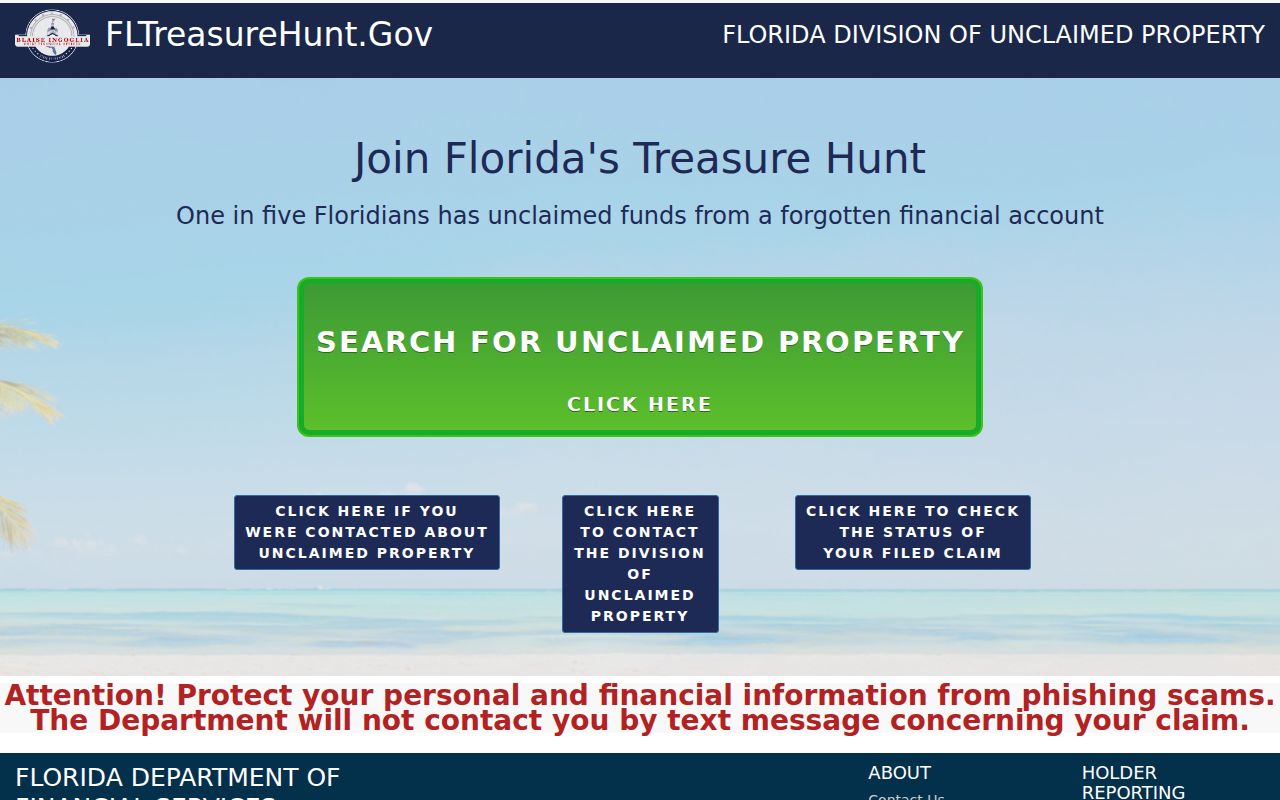
The claimant must still prove identity and ownership; the result does not identify who lives on an Oviedo block.
Privacy for Oviedo Neighbors
Some people should remain invisible in public address work. Florida's Address Confidentiality Program protects qualifying victims of domestic violence and stalking. Statutory exemptions also cover some high-risk professionals through agency request processes. Utility-customer identities, private delivery data, minors, many renters, and household relationships are not a public neighbor directory.
Do not infer that a blank record means an empty home. It may mean the occupant is not an owner or voter, the record is protected, the data is stale, or the query is wrong. Keep notes tied to the record date. Verify a fact with its custodian before relying on it.
If the goal is consumer safety, use official reporting channels. Florida consumer protection resources explain state complaint routes, while the federal fraud-reporting portal accepts reports for federal analysis.
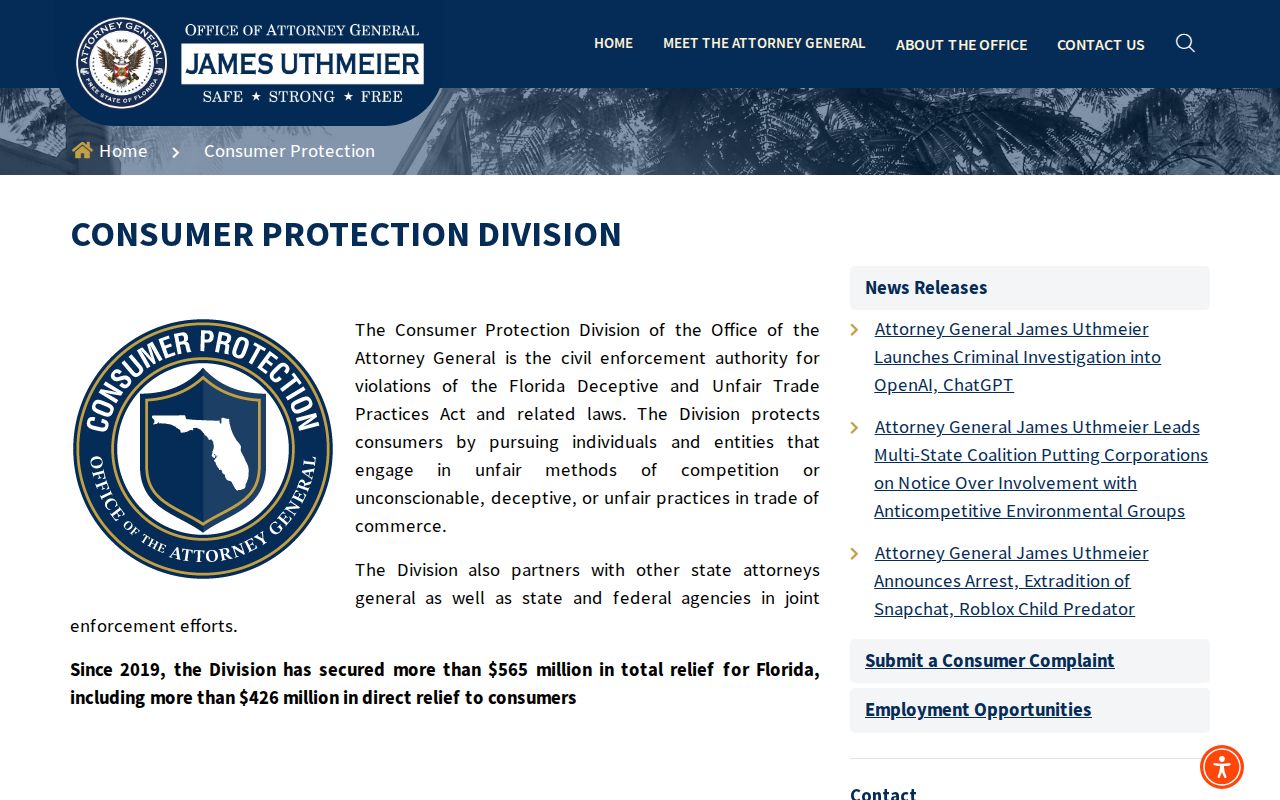
These resources address suspected wrongdoing without turning nearby residents into targets.
The Federal Trade Commission fraud-reporting portal accepts reports when a suspected scheme extends beyond a local consumer complaint.
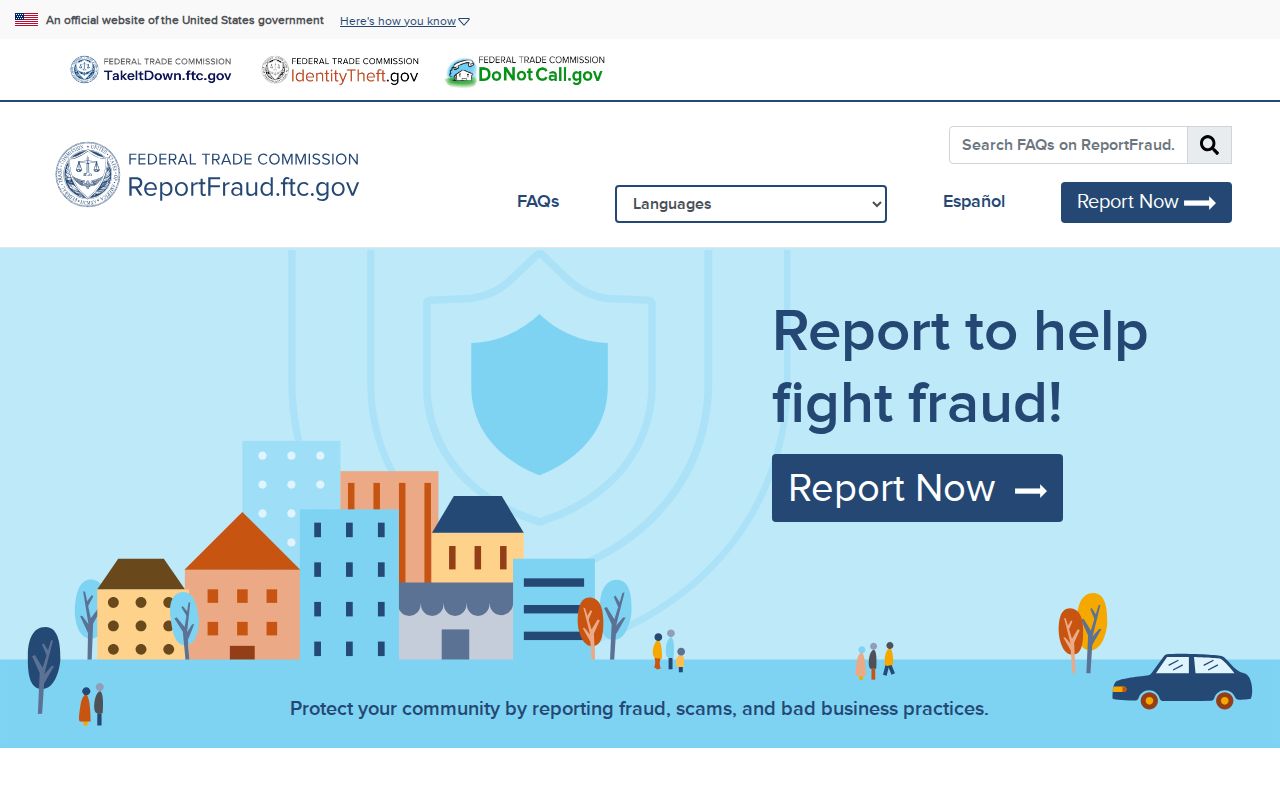
The federal route gives a concerned neighbor a lawful action that does not require publishing or circulating another household's personal details.
Lawful use. Research Oviedo neighbors for civic curiosity, reconnecting, or personal safety. Never watch, harass, intimidate, threaten, or harm anyone.