
Oviedo Resident Lookup Sources
Oviedo has no citywide list of all residents. The strongest official sources sit with Seminole County or Florida agencies, and each confirms a narrow fact. The Property Appraiser ties an owner to a parcel, but ownership does not prove occupancy. The voter tool verifies a known voter when required identity details are supplied. Court and vital records document events, while license and corporate files confirm public roles.
| Record | What It Confirms | Where | Access |
|---|---|---|---|
| Property roll | Owner, situs and mailing address | SCPA | Free |
| Voter record | Registration match and services | My Voter Record | Name and birth date |
| Court index | Case, role, filing and status | Clerk gateway | Free index |
| Vital records | Life event | Florida Vital Statistics | Rules vary |
| Licenses | Credential and status | DBPR or MQA | Free |
Choose the first record by the fact being tested. Use property data for a claimed parcel, court files for a known dispute or probate matter, and a license board for a stated credential. A resident lookup becomes reliable only after the name and another fact agree.
Confirming the Right Oviedo Person
Common names create false matches. Search the full name, then repeat with a middle initial, former surname, likely spelling variants, and reversed names where allowed. An address, rough age, relative, filing date, or public role can separate two people. Never treat a name-only hit as proof.
The SCPA mailing address is a locate clue, not an occupancy statement. A rental owner, trust, management firm, or person who moved may get tax mail elsewhere. Matching mailing and situs addresses plus a homestead exemption can support owner occupancy for that tax year. It cannot name a spouse, child, roommate, or renter.
Note: A postal Oviedo address can sit outside city limits, so check parcel geography before requesting city permit or code files.
Searching Oviedo Court Divisions
The Seminole Clerk separates civil, criminal, citation, dependency, foreclosure, juvenile, traffic, event, and pretrial searches. A person may appear in one division but not another. Search by party or defendant, then narrow with dates, case type, or status. Exact case numbers are safest when known.
| Field | Use |
|---|---|
| Party name | Name criteria and variants |
| Case number | Exact division matter |
| Citation | Civil or traffic result |
| Date range | Separates common names |
| Type/status | Filters a division |
A result may show case number, division, type, filing date, status, party names and roles, judge, hearing dates, docket lines, and document descriptions. Sealed, expunged, adoption, juvenile, dependency, and confidential details may be absent. No online hit does not prove that no file exists.
Reading an Oviedo Docket
Party role matters. A name may identify a plaintiff, defendant, petitioner, respondent, decedent, representative, or lawyer. Probate can aid an heir search because public portions may identify a decedent, representative, beneficiaries, or heirs. A judgment may point to an Official Records filing.
- Save the full case number and division.
- Note each party role.
- Compare dates with the known timeline.
- Read descriptions before seeking an image.
- Ask for the record when the index is insufficient.
Federal matters use PACER for the Middle District of Florida. It requires an account, charges ten cents per page, caps most documents at three dollars, and waives quarterly fees of thirty dollars or less. The PACER locator separates federal data from county trial files.
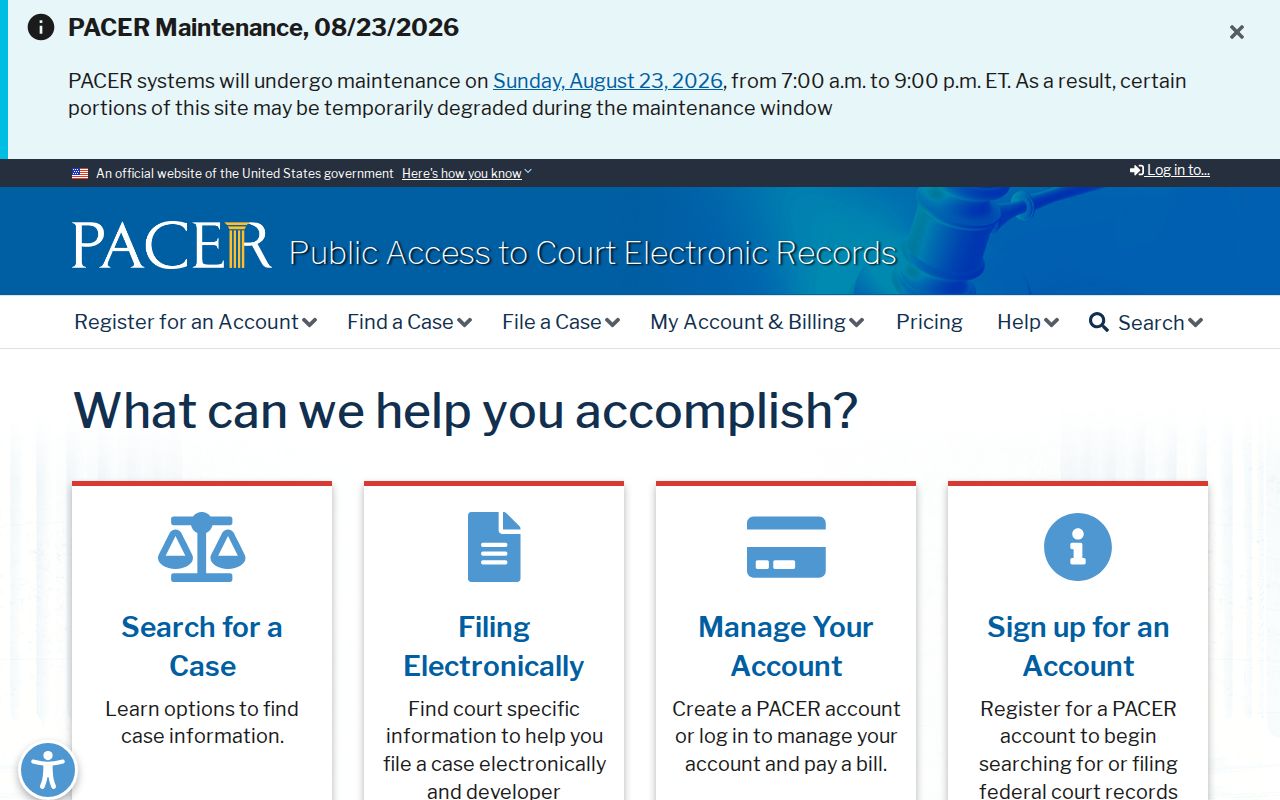
The screen helps identify the right federal court, case, filing dates, parties, and docket before documents are ordered.
Verifying Oviedo Resident Records
Build a short chain instead of gathering unrelated hits. Start with a source that anchors a person to a place or public role. Then use a second index with a separate date, address, relative, or case role. Certified copies come last because they authenticate a record, not an identity guess.
- Test the name and address in SCPA or the birth-date-gated voter tool.
- Run relevant Clerk divisions with name variants and a useful date range.
- Compare marriage, divorce, death, probate, license, or business data.
- Order a certified copy only when formal proof of that record is needed.
- Docket
- The dated list of filings and events in a court case.
- Index versus image
- An index describes a record; an image shows the filed document.
- Certified copy
- A copy authenticated by its official custodian.
The Clerk offers eCertified records where enabled, plus email, mail, and counter routes. Court-file image access differs from Official Records. Criminal requests use criminal@seminoleclerk.org, while probate invoice requests use probateinvoices@seminoleclerk.org.
Oviedo Vital Event Checks
Birth records less than 125 years old are confidential. Eligible applicants include the adult registrant, named parent, guardian, legal representative, court-authorized person, or an applicant using an authorized affidavit. Death certificates without cause are public. Cause-of-death data is restricted for deaths less than 50 years old.
Marriage and divorce certifications are public from June 6, 1927. A state divorce certification proves the event, but it is not the signed final judgment. The Seminole Clerk keeps the case file and decree. Earlier records remain with county custodians. Historical substitutes include church registers, cemetery files, newspapers, census schedules, Florida Memory, and the State Archives.
Finding an Oviedo Heir
An heir search joins several records. Begin with the probate case and note the representative and any heirs visible in public filings. Compare the deed chain for later transfers, then use an obituary and cemetery record to test kinship. Oviedo Cemetery has split City and Methodist Church custody, so one request may not cover each burial file.
Pre-1913 land and court research crosses into Orange County because Seminole County was formed that year. Also test Lake Jesup and Lake Jessup as early place names. A family may have stayed on the same land while its place label and record custodian changed.
Human-use route. Probate, deeds, obituaries, and cemetery files can corroborate kinship; no single people index should decide an heir trail.
Checking Oviedo Public Credentials
DBPR License Search accepts a name, organization, license number, location, and license type. Results may show status, profession, address, issue and expiration facts, and public discipline links. The MQA practitioner search covers health professions by name, license, profession, county, city, or ZIP.
View the DBPR search form before entering a name.
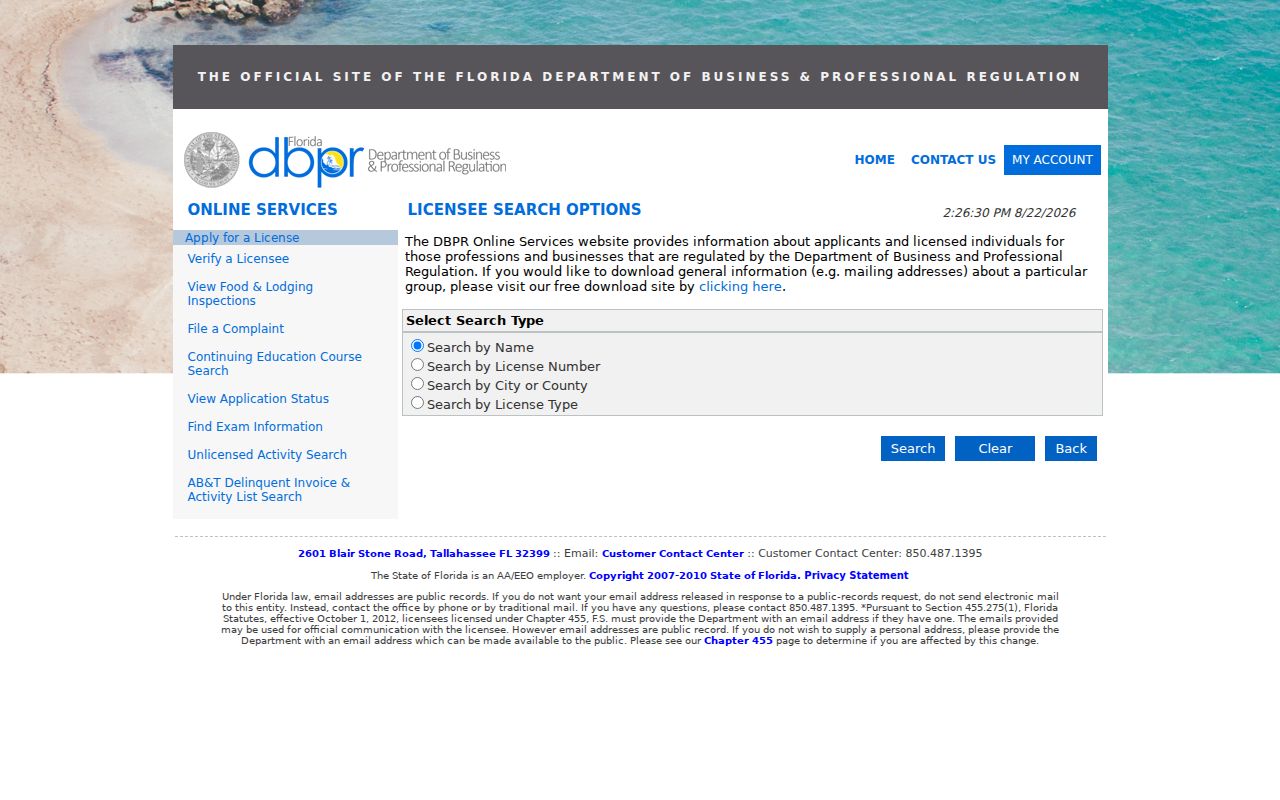
Read the result as a credential record, not proof of a home address. Sunbiz can identify entity status, officers, managers, filing dates, and prior annual reports. A registered agent is a service-of-process role, not automatic proof of ownership or residence.
The Florida health practitioner profile search provides the parallel official route for regulated health professions.
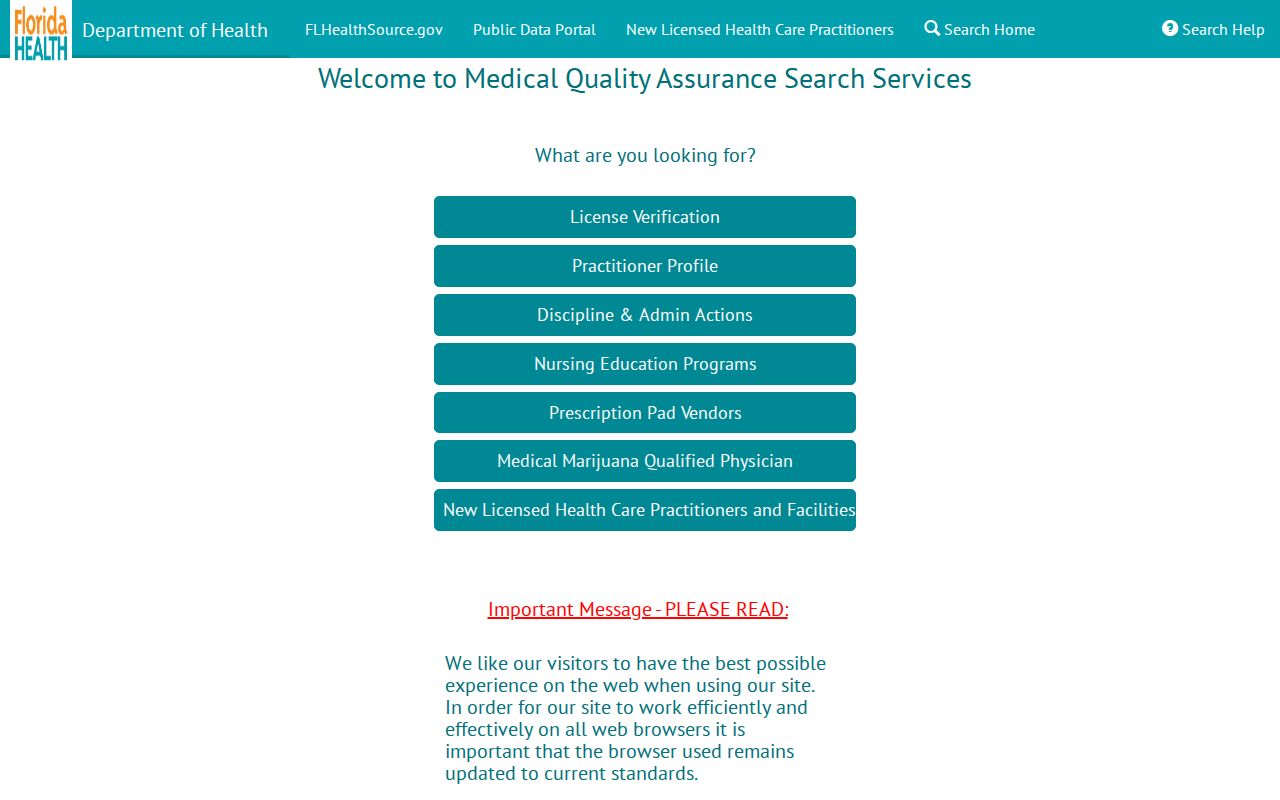
Its profession, license, county, city, and ZIP fields can distinguish a practitioner match while leaving residence unproven.
Oviedo Custody Record Context
The Seminole County Sheriff Custody Portal concerns local custody. Florida Corrections covers current and released offender data by search mode, while the FDLE registry offers official name and location searches. These databases are time-sensitive and must be read using listed identifiers, status, and dates.
Open the Seminole custody search for its current fields.
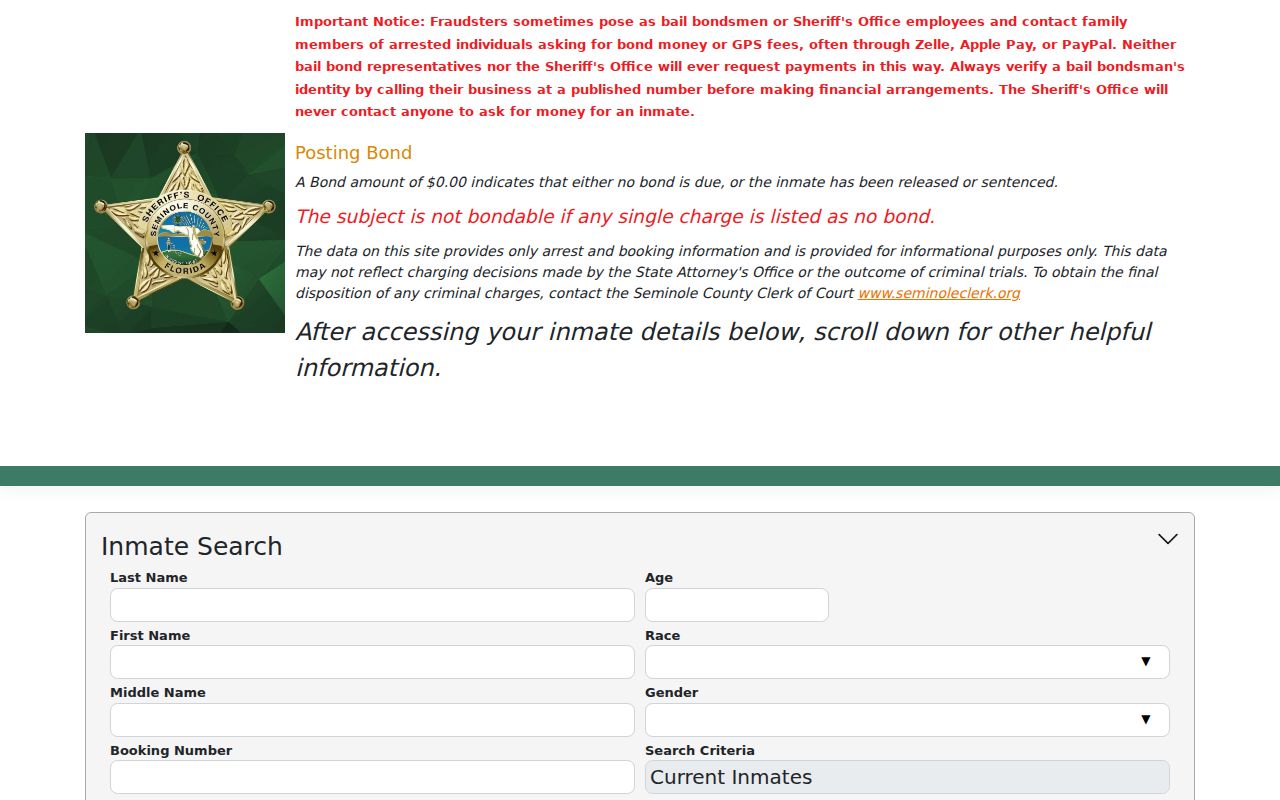
Do not infer more than the record states. Arrest, custody, conviction, release, and registry status are distinct facts.
The Florida Department of Corrections search separates current and released offender searches.
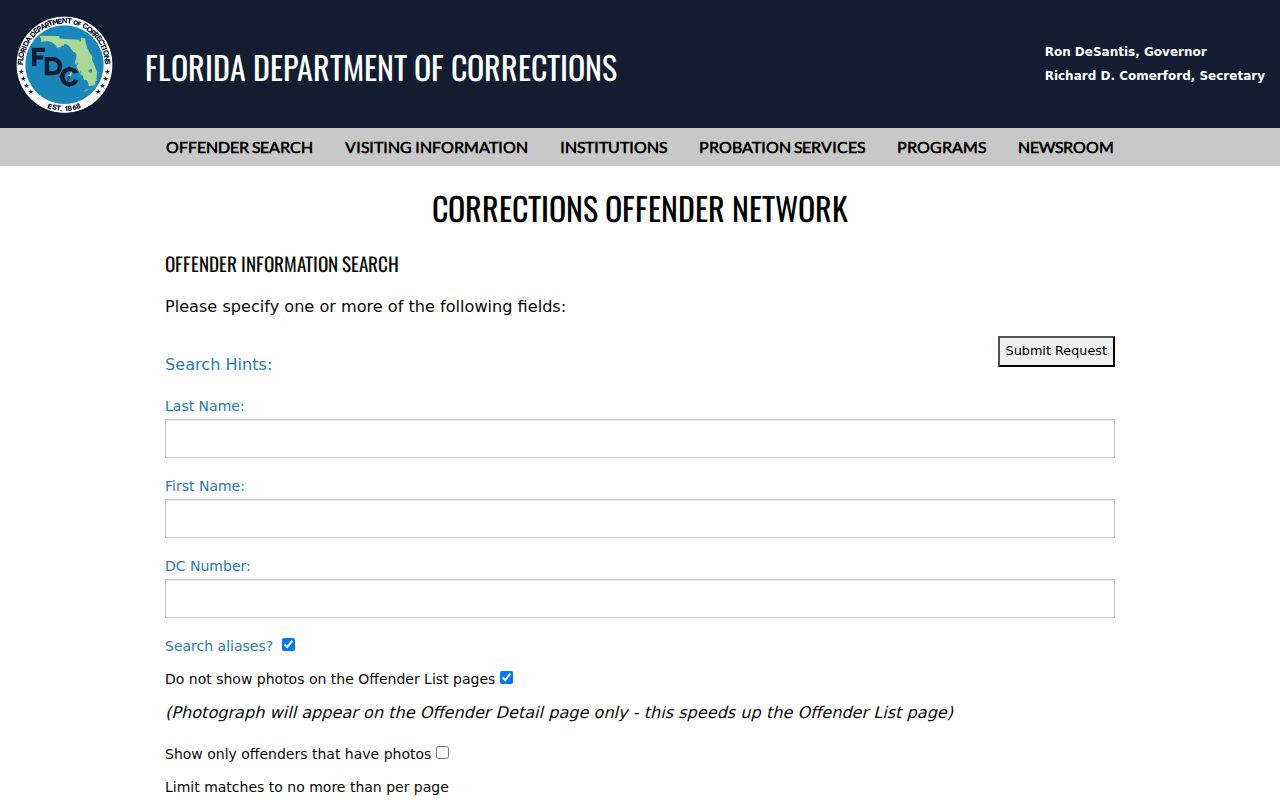
The result type and status date must be recorded so a past correctional entry is not described as current custody.
The FDLE offender and predator search is the separate official name and geographic registry.
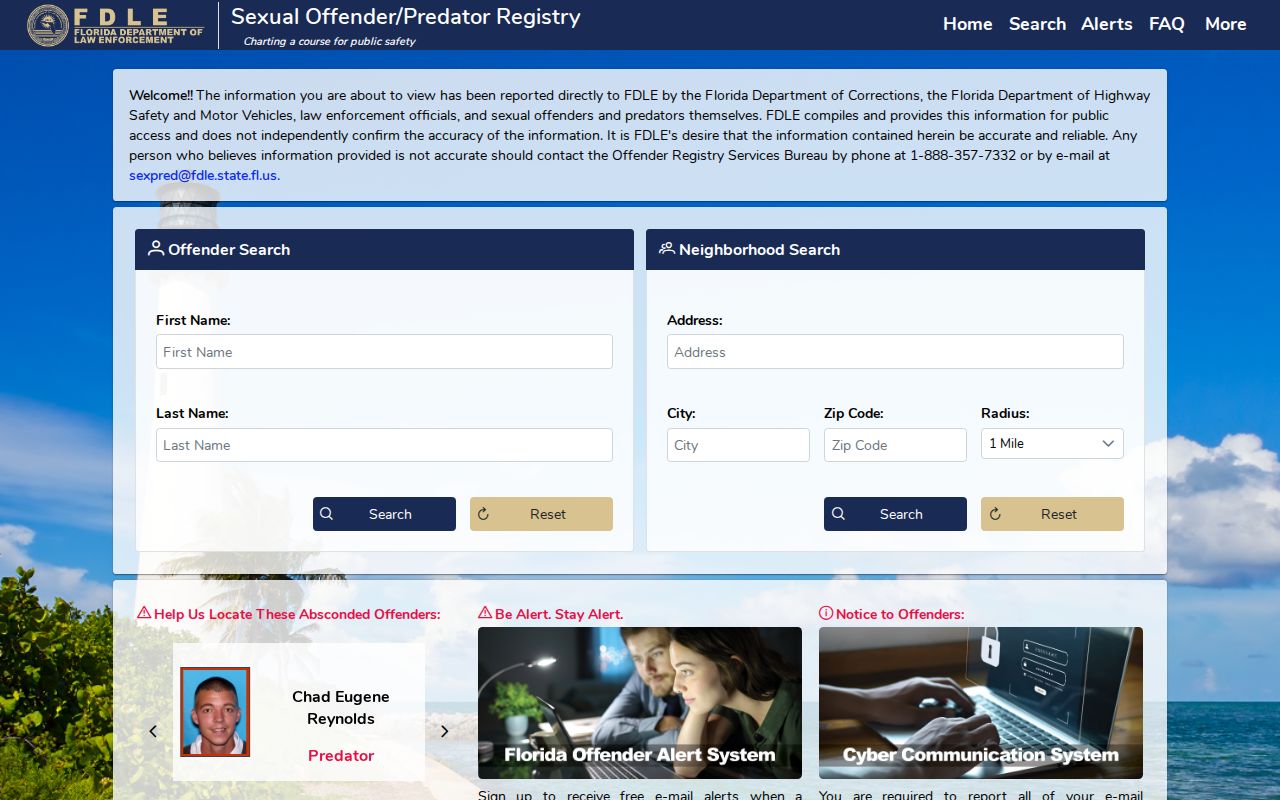
Registry results carry their own statutory purpose and warnings and should never be merged casually with a general resident lookup.
When Oviedo Records Are Offline
Florida Public Records Law rests on article I, section 24 of the state Constitution and chapter 119 of the Florida Statutes. Portal failure is not the end of a resident lookup. Ask the custodian for a specific record, date range, person, and case or document number when known.
Use the Clerk counter, mail, email, or certified-copy routes for court and recorded files. Contact the Oviedo City Clerk for city-created permits, code cases, agendas, contracts, and administrative records. Florida law does not require a purpose or special form. Libraries, museums, and archives are sound fallbacks for older material.
Note: Correct an error with the agency that created the source record; a copied index cannot amend its custodian's file.
Lawful Oviedo Resident Lookup
Broad access has firm boundaries. Protected birth details, motor-vehicle data, sealed cases, juvenile and adoption files, identity numbers, and protected addresses are not opened by a general request. Florida's Address Confidentiality Program protects qualifying victims of domestic violence and stalking. Some high-risk professionals can request statutory exemptions.
Respect a missing address. Do not combine records to defeat protection or publish sensitive details. Commercial people-finder data may be stale, merged, or stripped of source context. Official indexes identify the responsible office, record type, and correction route.
Lawful use. Use an Oviedo resident lookup for lawful personal research. Never use records to stalk, harass, threaten, or harm any person.